The Best Hiking Route Up Yr Wyddfa – The Watkin Path
Published on 17 Aug 2026 by Amy GreenwoodYr Wyddfa, or Snowdon, is Wales’ tallest mountain and thousands of visitors flock to its summit every year. When visiting North Wales and Eryri National Park, it’s often considered a top attraction, and with so many ways to reach the summit, choosing the best route can be a difficult decision, especially if you’ve never climbed it before.
The great thing about Yr Wyddfa is its accessibility, with the Snowdon Mountain Railway that takes visitors from the town of Llanberis to the summit, the views from the top of Wales are attainable for many people. But for those who’d rather walk, there are a number of routes you can take including the Llanberis Path, the Pyg Track, the Miner’s Track, the Rhyd Ddu Path, and for the thrill seekers amongst you, you can even make it to the summit by traversing the impressive ridgeline of Crib Goch. But one route stands out above the rest, and that’s the Watkin Path.

Whereas the Pyg and Miner’s Track start at the same point in the car park at the top of Pen Y Pass, the Watkin Path starts at the foot of the adjacent valley near the shores of Llyn Gwynant. This is a great place to start as it avoids a lot of the footfall and congestion associated with the more popular routes, and avoids the hustle and bustle of Llanberis.
This route up Yr Wyddfa, as with every walking route, is challenging and good fitness and appropriate clothing is essential, but it’s well worth it due to the diversity of the landscape along the route.
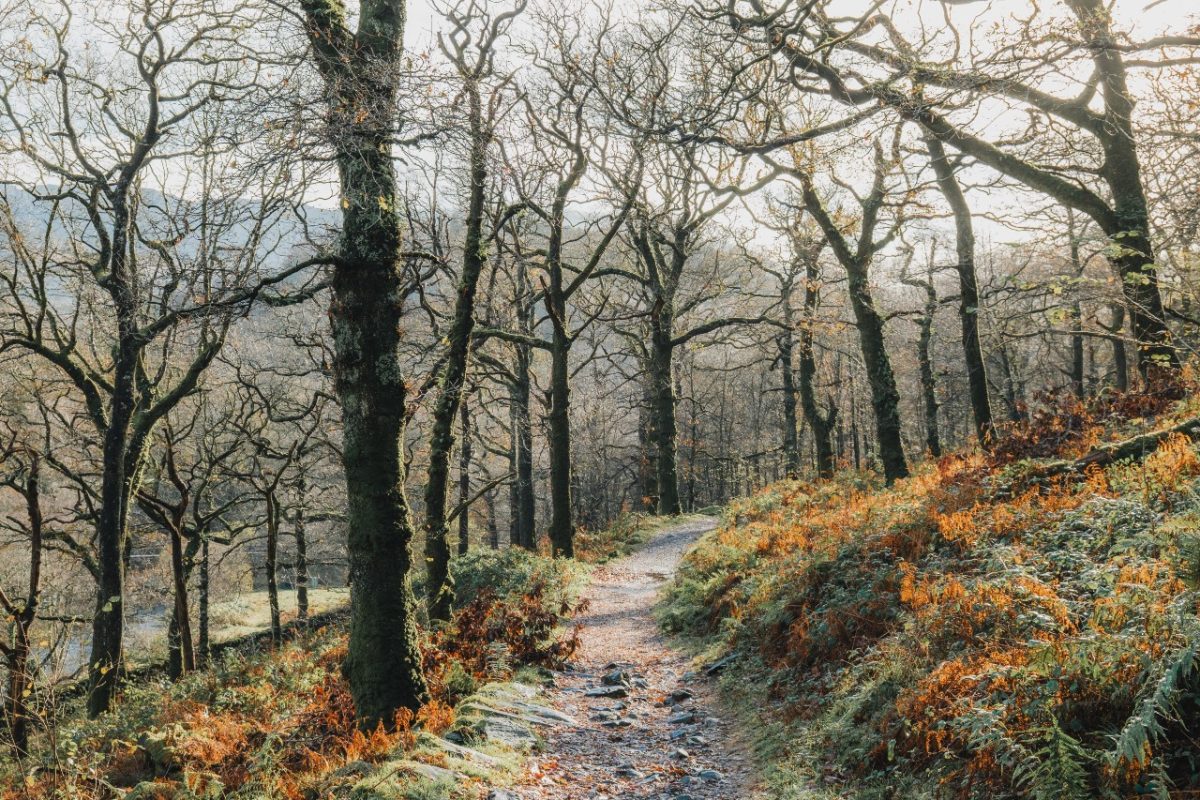
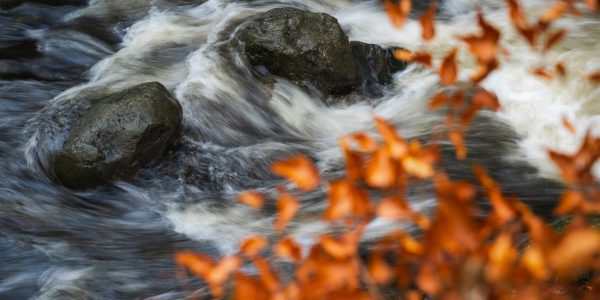
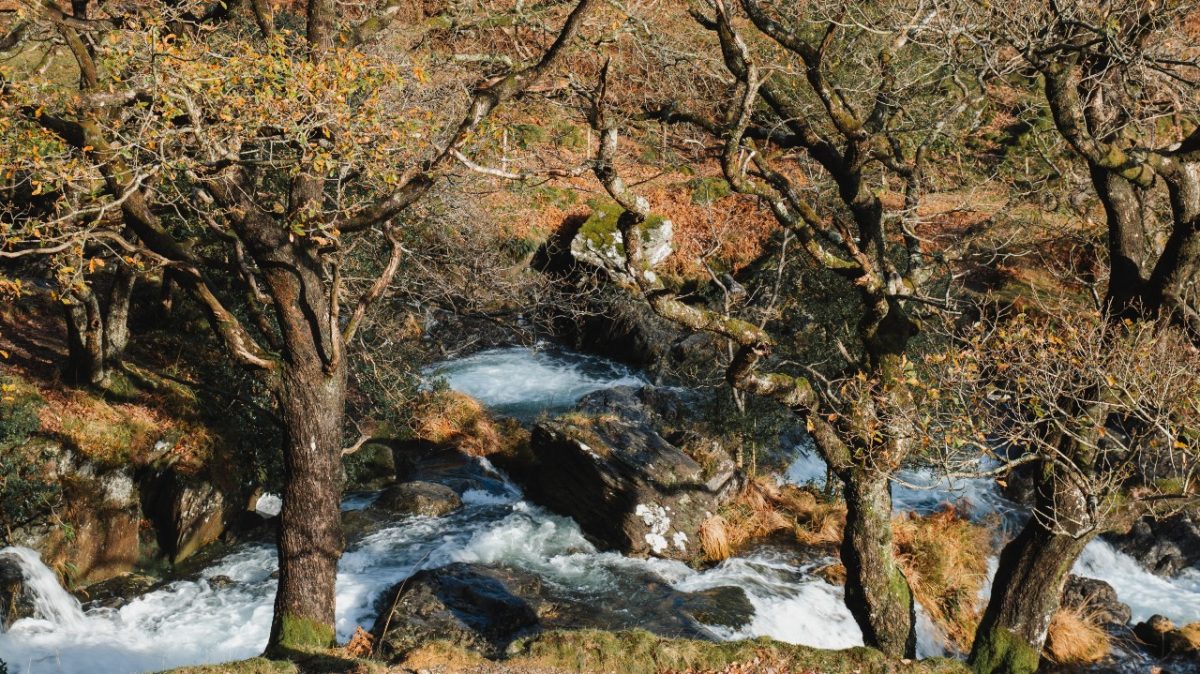
The route begins with a gentle ascent through one of North Wales’ ancient woodlands. This gentle walk through the twisting oak trees is a lovely way to begin the walk. Crossing the bridge over a cascading series of small waterfalls as the river heads downstream, you’ll eventually emerge into a valley with expansive views of the mountains head, as the path skirts along the tree-lined river.
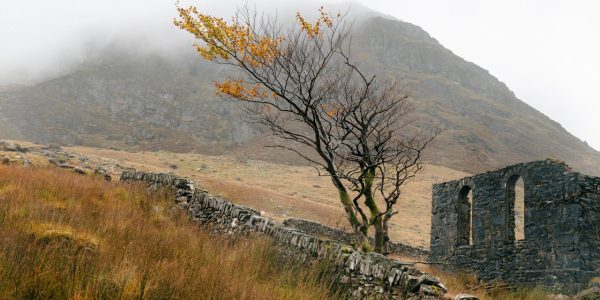
As you begin to climb, you’ll see evidence of the mining history of this landscape with a series of derelict buildings. Climbing further, you’ll see the famous pools that are a standout feature of this route. Their crystal clear waters and tumbling waterfalls provide a fantastic stop-off point for a break. At this point, you’d never know you were climbing Wales’ highest mountain. The landscape is so diverse and ever-changing, whereas many of the other routes feel, at times, like an ascent through a beautiful, but largely unchanging landscape.
Leaving the plateau with the pools and the remnants of the slate mining industry, here is where the ascent up Yr Wyddfa really begins. The path can be a little shingly in places but is well defined and managed. The route is available on OS Maps so as long as you have the map handy you won’t go far wrong. And as with all routes up Yr Wyddfa, you’ll likely be in good company with fellow walkers. As the path continues to climb, the views of surrounding peaks really start to open up and the Watkin Path will eventually meet and intersect the Rhyd Ddu path for the final push to the summit.
It’s a route with plenty to see on the way, but the reward of reaching the summit is hard to beat. Here, you can enjoy some refreshments at the cafe, pose for a photo on the summit, and take in the breathtaking views of North Wales.