Exploring The Coastal Castles of Wales
Published on 21 Aug 2026 by Amy GreenwoodWales is famous for it’s diverse landscape, and it’s long and rich history. From mountains to breathtaking beaches, from grand castles to medieval churches, the history of Wales is closely tied to the landscape.
Wales has more castles per square mile than almost any other place in Europe. They date from the 11th – 14th century, and whilst early castles, that were often built from rudimentary materials like earth and wood, no longer remain, many of the 13th century castles, built during the Edwardian period in the 13th century still stand. Their proximity to the coast was intentional, the sea provided defence, easy transportation of goods and supplies by boat, and the ability to fish made for a valuable food source. These days, the coastal backdrop provides a beautiful setting for these relics of the history of Wales.
Here are some of our favourites that we feel you should visit….
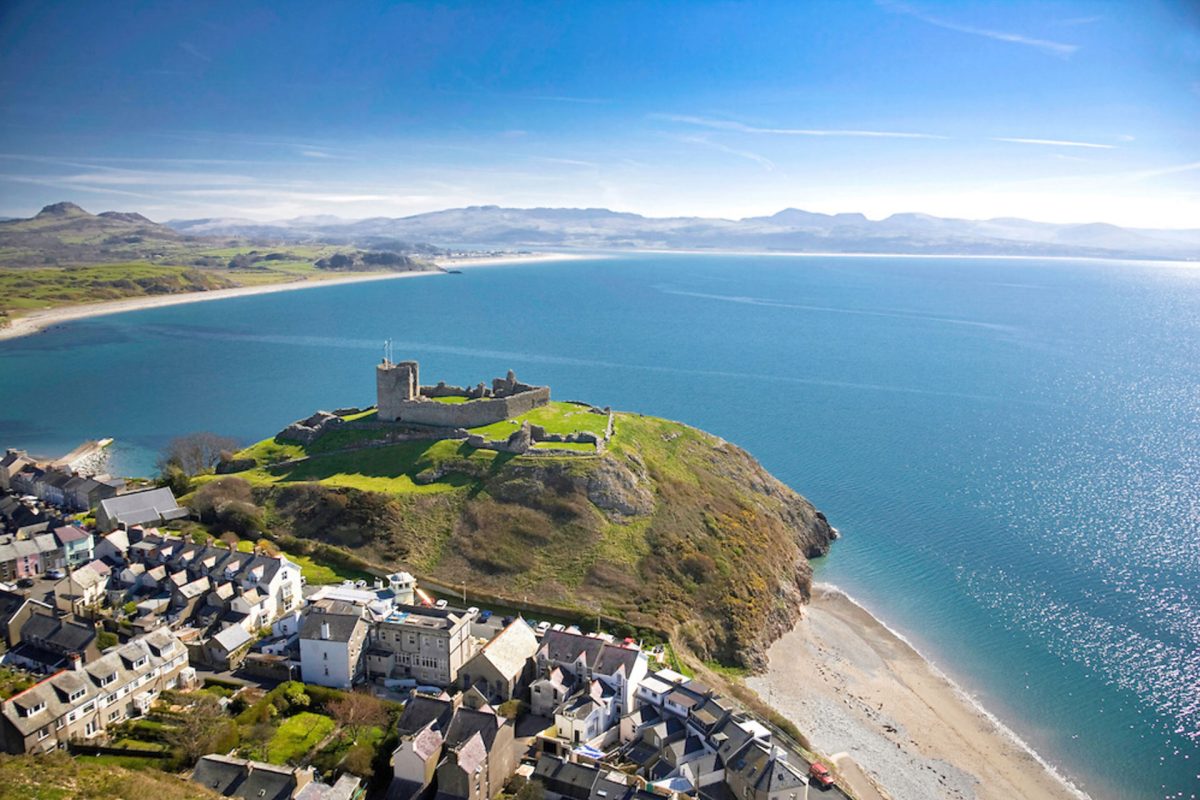
Criccieth Castle
The ruins of Criccieth castle, a 13th century castle in the North Wales seaside town of Criccieth sits proudly on the headland of Tremadog Bay.
The castle was first built in the 1230s by Llywelyn Ap Iorweth, the Prince of Gwynedd, who likely began by building the inner ward and gatehouse. It was later extended by his grandson, Llywelyn Ap Gruffudd who likely constructed the outer ward before the castle was eventually captured, and added to by Edward I in 1283 during his conquest of Wales.
The castle, after years of attacks, sieges and revolts, was eventually in a state of ruin by the 1450’s as depicted famously by renowned artist J.M.W Turner 1798.
These days the castle is owned by Cadw, and is well worth a visit. You can explore the remains of the castle and take in the stunning coastal views, or you can simply visit the beach at Criccieth and view the castle from the perspective of the town.
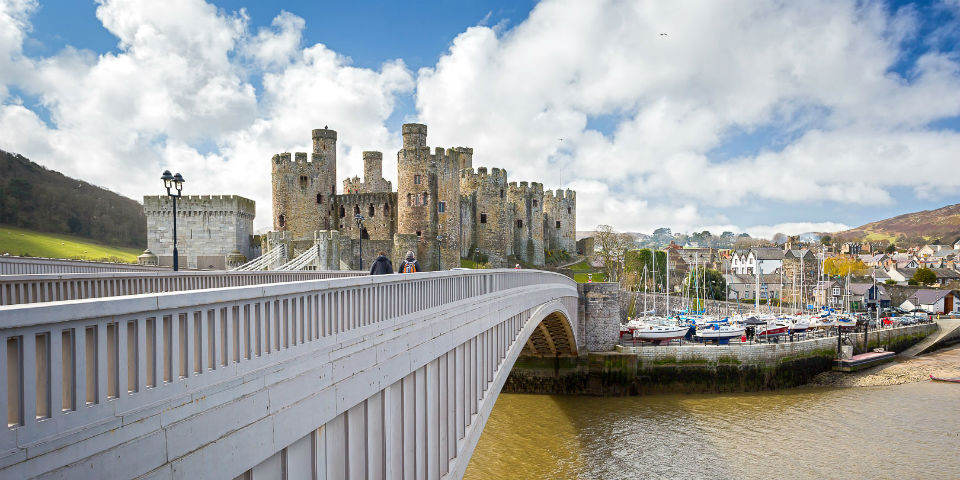
Conwy Castle
Conwy castle has overlooked the seaside town of Conwy for over 700 years and is arguably Wales’ best preserved castle with its 8 imposing towers visible for miles around.
Conwy itself, with its picturesque harbour, and its fantastic selection of cafes, shops and restaurants is a lovely town to visit for those looking for a more relaxing day out. Wandering around the town, the castle is almost always visible. For those with a bit more energy, it’s also worth walking out of the town and heading up towards Conwy mountain. The view back down towards the town offers a fantastic view of the castle with the stunning backdrop of the sea and mountains.
The castle itself is quite unique, there are very few castles that allow you to walk around the entirety of the battlements and it’s only possible at Conwy because of how well its preserved. Conwy castle was one of the grandest constructed by Edward I and it contains the most intact set of medieval royal apartments in Wales. These features have made Conwy Castle a UNESCO World Heritage Site and it’s incredible to think that much of what we see today was built in just 4 years between 1283 and 1287.
Castell Harlech
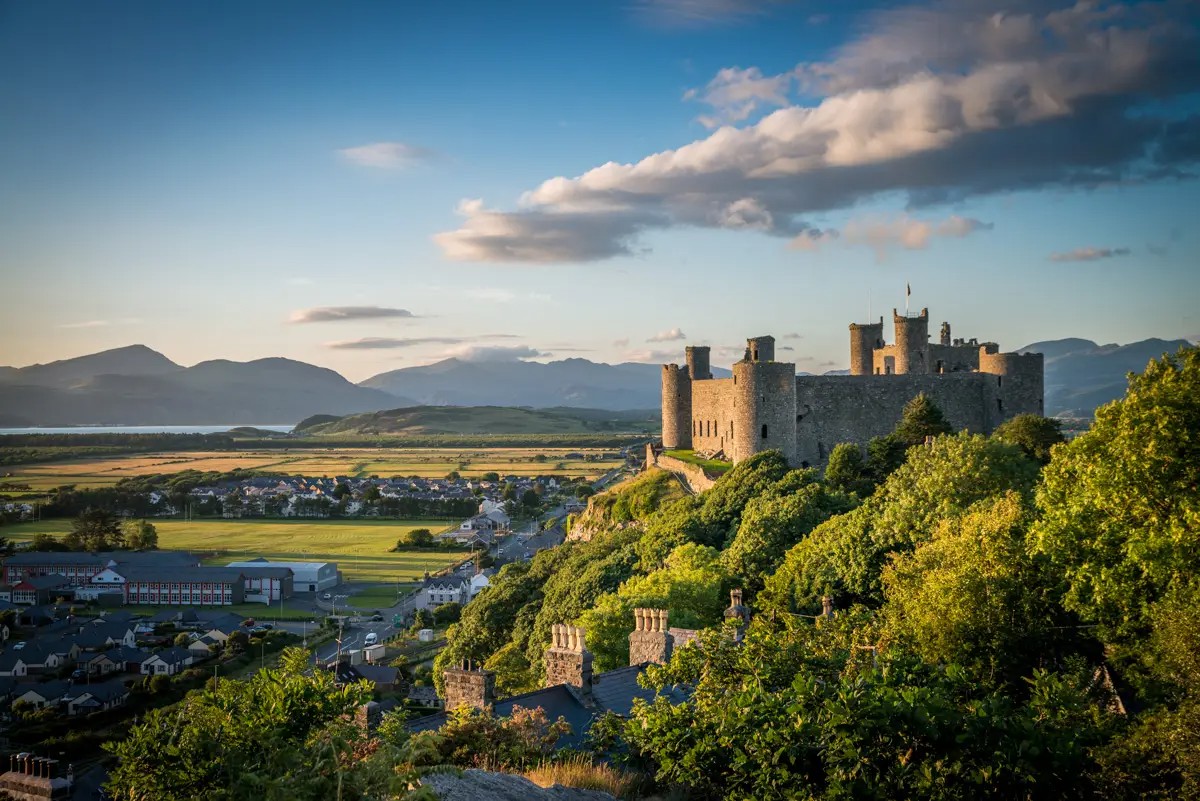
Castell Harlech, towering high above the coastal town of Harlech, is a real feature of the landscape along this stretch of Welsh coast. Whilst set a little more inland, the beautiful expansive beach at Harlech with its sand dunes and pristine sands is only a stone’s throw away.
The construction of Castell Harlech was completed from ground to battlements in just seven years, and its clifftop location, is often regarded as the most spectacular setting of all of the Edwardian castles in Wales. Castell Harlech is also a World Heritage Site, now managed by Cadw, and is certainly unique amongst other castles in Wales.
The town itself is small and peaceful, with a lovely collection of shops and cafes and is a great place to stop off on your journey North or South along the coast. For golf fans, you may be familiar with Harlech as its links golf course at Royal St David’s Golf Club has long been ranked within the ‘Top 50’ of British golf courses, and ranks 2nd in the Top 50 Courses in Wales.
Caernarfon Castle
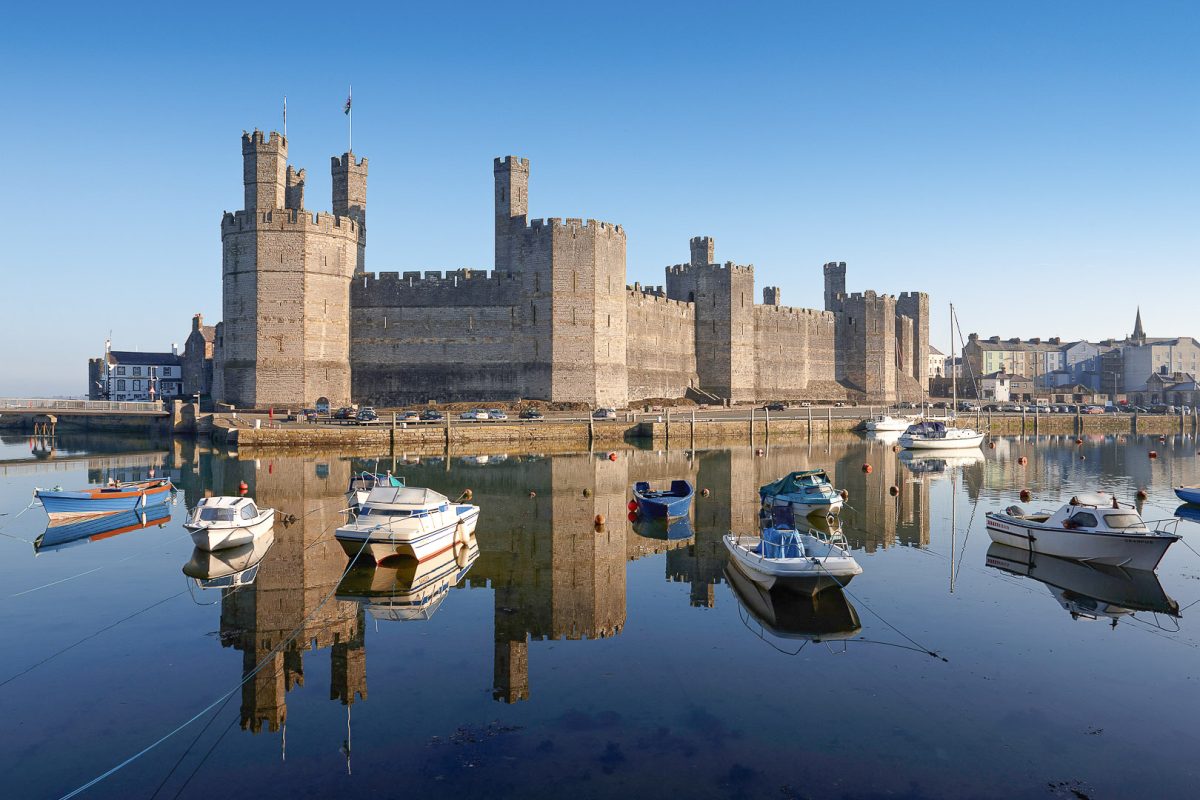
The town of Caernarfon, situated on the banks of the Menai Strait, is a real hub in North Wales, its close proximity to the island of Anglesey, the mountains of Eryri National Park, and acting as the gateway to the Llyn Peninsula, its likely a town you’ll never be too far away from. The town itself is home to a lovely selection of pubs, cafes, shops and art galleries, and is also home to the Welsh Highland Railway. Arguably though, it’s the majesty of Caernarfon Castle that made the town famous.
Caernarfon castle is known worldwide as one of the greatest buildings of the middle ages. Another castle built by Edward I, now a World Heritage Site, it took a staggering 47 years to build, much longer than the other castles in Wales. Today, much of the castle remains intact; it’s been the site of coronations, most notably acting as the site where Prince Charles, now King Charles, was given the title of Prince of Wales, and features year-round exhibitions with artefacts and ephemera from the castle’s long and colourful history. Be sure to bring your camera, you can get some lovely photos of the castle from the harbour with the boats in the foreground!
Beaumaris Castle
We head to the Island of Anglesey for our final coastal castle. Beaumaris is a beautiful town in the south east corner of the Island. The town itself is popular with tourists with it’s breathtaking views across the water to the mountains of Eryri, and its bustling high street full of independent shops and restaurants. It’s also nearby to the famous lighthouse at Penmon, but it’s the castle at the heart of the town that really attracts visitors.
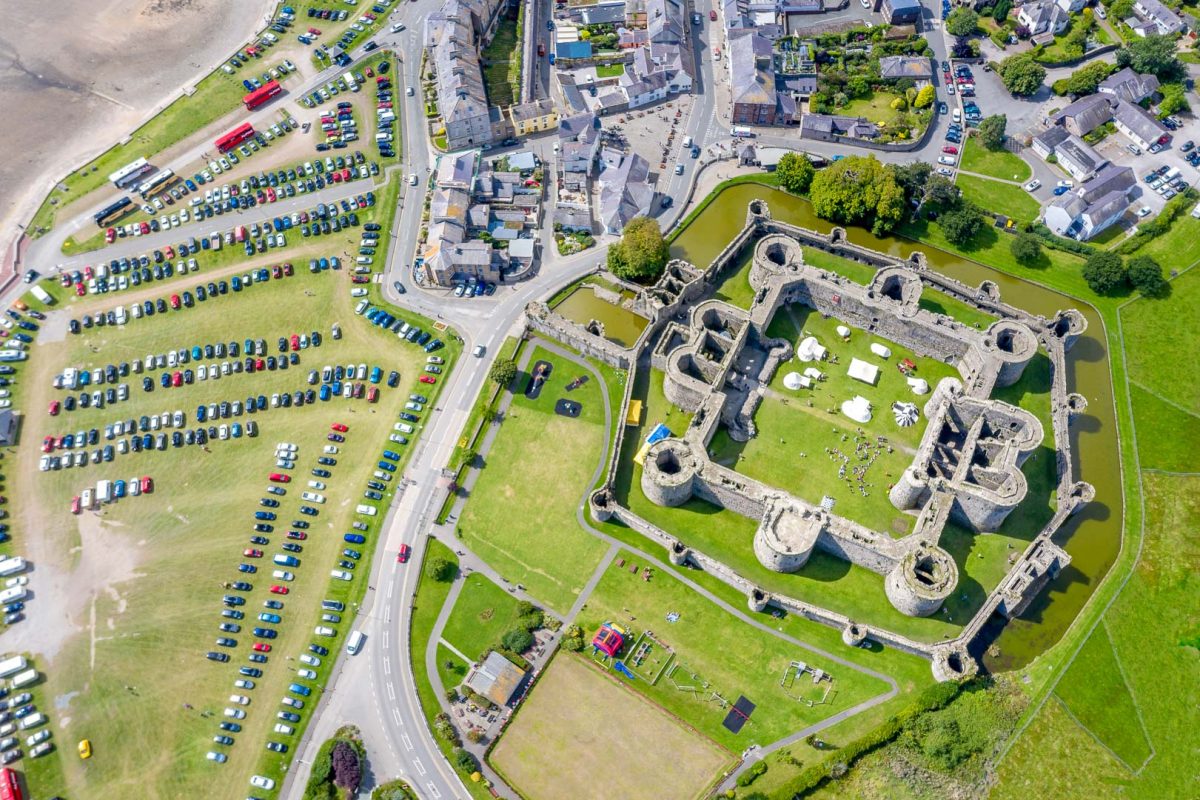
Beaumaris Castle, the last of the Edwardian castles, and the last on our list, was famously known as the greatest castle never built. It was the last of the royal strongholds built by Edward I in Wales – and was perhaps his masterpiece. By this point they’d already constructed the great castles of Conwy, Caernarfon and Harlech, and this was going to be the jewel in the crown – so to speak.
The result was a fortress of immense size and near-perfect symmetry. The castle included a water-filled moat with its very own dock and the outer walls, with its 300 arrow loops, was designed to make the castle truly impenetrable. However, lack of money and growing conflict in Scotland meant building work slowed and was eventually halted by 1320s. What remains can still be visited and it’s fascinating to walk around the castle and wonder at how grand it could have been had it been completed – one of the more interesting castle sites in Wales that’s for sure.